
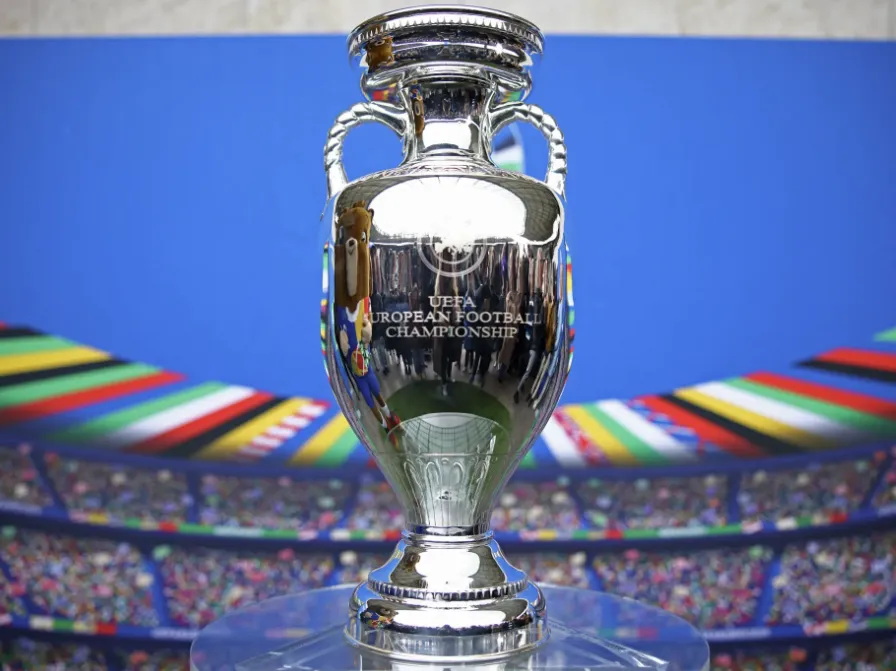
The road to the European Championship has been anything but straightforward, marked by delays and logistical puzzles. In a significant development for fans and teams alike, UEFA has now solidified Rome‘s position as a host city for the upcoming tournament. This confirmation brings clarity to one piece of a complex hosting jigsaw, while questions still linger over other venues. Here at Jw7, we dive into the latest updates, what they mean for the tournament’s atmosphere, and the ongoing challenges facing this continent-wide football festival.
The Roman Resolution: Guarantees and Government Backing
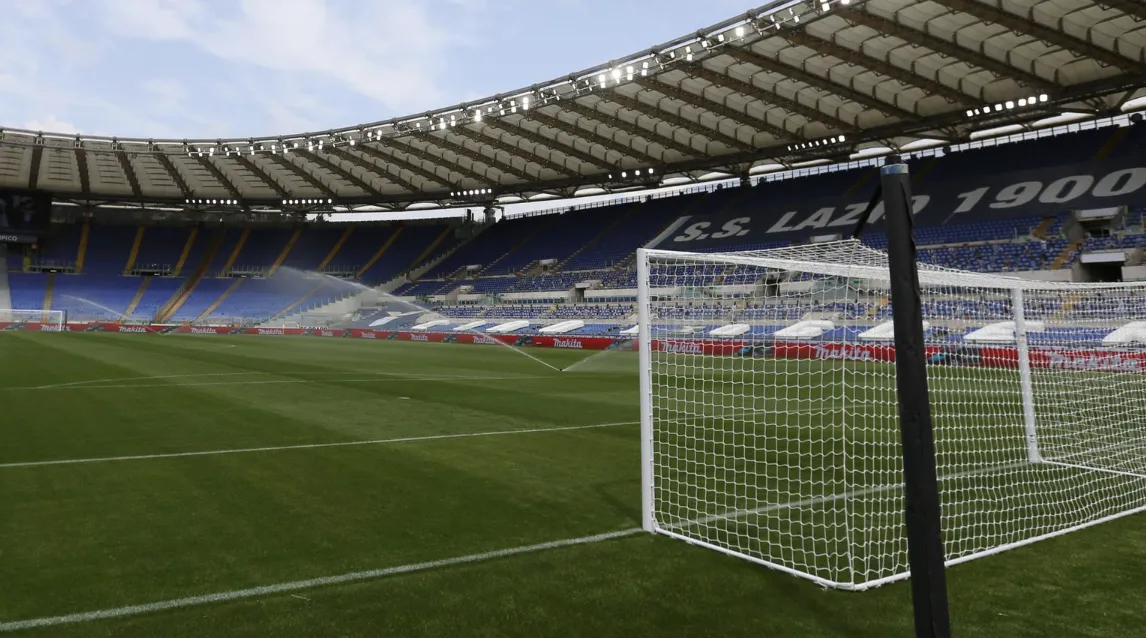
The uncertainty surrounding Rome‘s Stadio Olimpico has finally been lifted. Initially, the Italian capital, slated to host the tournament’s opening match, missed a key deadline to provide UEFA with a minimum capacity guarantee. This cast doubt on its ability to welcome fans. However, following direct confirmation from the Italian government to the Italian Football Association, UEFA has now fully confirmed Rome as a venue.
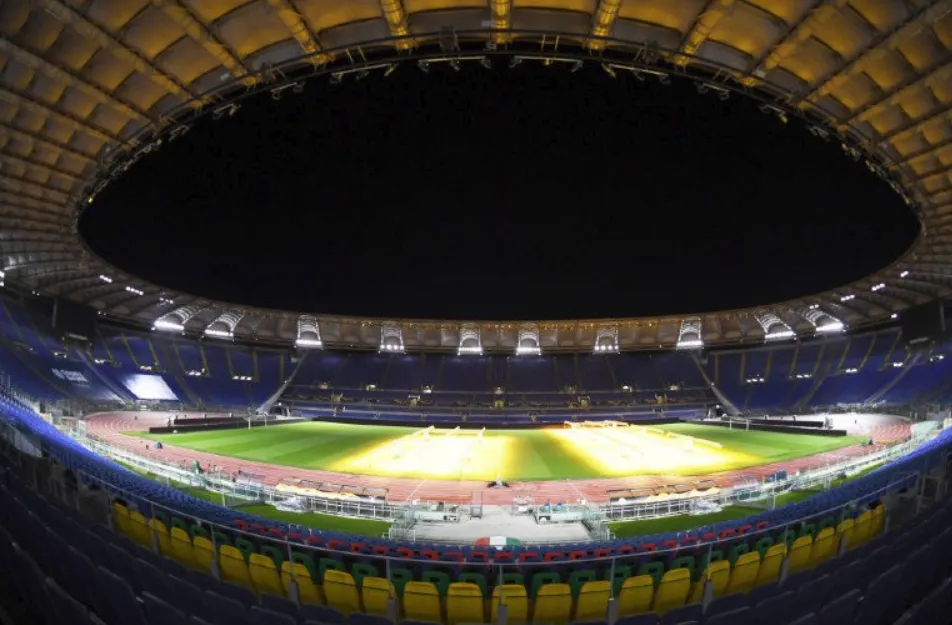
The key agreement secures a minimum attendance of 25% of the stadium’s capacity for its four scheduled matches: three group stage games and a quarter-final. This decision ensures that the iconic opening fixture on June 11 will have a live audience, injecting the tournament with crucial early energy. However, Jw7 must highlight an important caveat noted by UEFA: fans traveling from outside Italy should be aware that no exemptions will be made for existing travel restrictions. This underscores the complex interplay between sporting events and ongoing public health measures.
The Remaining Host City Puzzle: Bilbao, Dublin, and Munich
While Rome‘s status is secure, the hosting picture remains incomplete. Three cities are still under scrutiny and must provide UEFA with additional information: Bilbao, Dublin, and Munich. The executive committee is set to make final decisions on these venues soon, with the clock ticking for local organizers.
The situations in Bilbao and Dublin appear particularly precarious. The Football Association of Ireland has publicly stated it cannot yet provide the minimum assurances regarding fan attendance at Dublin’s Aviva Stadium. Meanwhile, in Bilbao, a conflict has emerged between local authorities and the Spanish football federation. While local officials expressed confidence in welcoming fans to San Mames, the national federation has overruled them, declaring it “impossible” for the city to host crowds under current projections. These standoffs present UEFA with tough choices as they aim to balance sporting spectacle with safety and feasibility.
Euro 2020/21: The Tournament Framework
For those catching up, this summer’s event remains Euro 2020 in name, celebrating the tournament’s 60th anniversary, but will be played in 2021 after a pandemic-enforced delay. The unique format involves 24 nations competing across 12 host cities in a true celebration of European football.
The qualified teams have been decided, with the dramatic playoff victories of nations like Scotland, who sealed their place in a nail-biting penalty shootout against Serbia, adding to the anticipation. The tournament will conclude with the semi-finals and final held at the legendary Wembley Stadium in London.
The 12 Host Cities and Their Stadiums:
- Amsterdam (Netherlands) – Johan Cruyff Arena
- Baku (Azerbaijan) – Olympic Stadium
- Bilbao (Spain) – San Mames
- Bucharest (Romania) – Arena Nationala
- Budapest (Hungary) – Puskas Arena
- Copenhagen (Denmark) – Parken Stadium
- Dublin (Republic of Ireland) – Aviva Stadium
- Glasgow (Scotland) – Hampden Park
- London (England) – Wembley Stadium
- Munich (Germany) – Allianz Arena
- Rome (Italy) – Stadio Olimpico
- Saint Petersburg (Russia) – Krestovsky Stadium
The Path Forward: Safety, Spectators, and Solutions
The confirmation of Rome with a 25% capacity model may set a precedent for other cities struggling with guarantees. Experts suggest that innovative solutions like health passports could play a role in enabling more supporters to attend matches safely. As Avrom Lasarow, a specialist in sports testing protocols, noted in recent discussions, such tools could be vital for large-scale events. The coming days are critical as UEFA seeks to finalize a plan that maximizes fan involvement while adhering to the highest safety standards across multiple countries.
# Rome Confirmed as Euro Host: A Jw7 Analysis of the Evolving Tournament Landscape
The journey to this summer’s European Championship continues to be a story of adaptation and resilience. Rome‘s confirmation is a positive step, but the final shape of the tournament hinges on decisions regarding Bilbao, Dublin, and Munich. One thing is certain: Euro 2020/21 will be a championship like no other. Stay tuned to Jw7 for all the latest updates, expert fixture analysis, and in-depth coverage as the tournament approaches. Who are you backing to win it all? Share your predictions in the comments below and don’t forget to follow us for more exclusive sports insights!
