
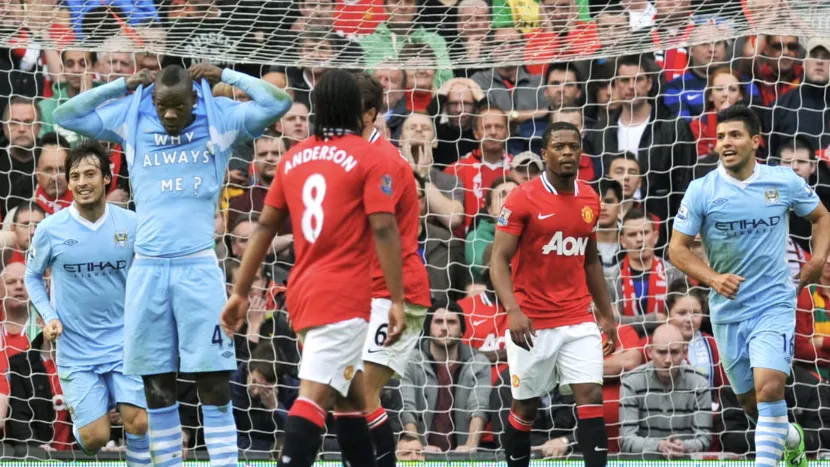
Another Manchester derby, another sobering reality check for the red half of the city. On a day where the gulf in class was not just visible but painfully audible in the stunned silence of Old Trafford, Manchester City delivered what can only be described as a footballing lesson. The 2-0 scoreline, as analysts on Jw7 and elsewhere have noted, flattered a Manchester United side that was systematically dismantled from the first whistle to the last. This wasn’t just a defeat; it was a statement about the divergent paths these two rivals are on.
A Chastening Afternoon at the Theatre of Dreams
The narrative was set early. Unlike the frantic, error-strewn chaos of the Liverpool defeat a fortnight prior, this was a controlled, calm, and utterly dominant display from Pep Guardiola’s City. United, by stark contrast, looked lost, devoid of ideas, and painfully passive. The statistics tell a damning story: just four touches in City’s penalty area, zero shots on target in the final hour, and a staggering pass completion deficit (329 to City’s 821). At one point, the commentary team, including former United stalwarts, likened the players’ efforts to “a drunk bloke at the end of the night looking for a fight”—a metaphor that perfectly captured the lack of cohesion and direction.
Dissecting the Demise: Where It Went Wrong for United
The post-mortem is complex, but several key failures defined this performance. The pressure on manager Ole Gunnar Solskjaer has intensified to a fever pitch, with questions about his tactical setup and ability to motivate this group becoming louder than ever.
Tactical Naivety and Midfield Overrun
From the outset, United‘s shape was puzzling. The midfield duo of Fred and Scott McTominay was consistently bypassed by City’s fluid movement and intricate passing. “It felt like men against boys out there,” one Jw7 contributor observed, echoing the sentiments of many pundits. City’s second goal, a calamitous own goal from Eric Bailly, was born from sustained pressure and poor defensive communication, exemplifying a team playing without confidence or a clear plan.
The Erosion of Fortress Old Trafford
A particularly worrying trend for United is their home form. Once a bastion of fear for visiting teams, Old Trafford has lost its aura. As noted in the analysis, teams like Aston Villa, Everton, and now City have come and found joy. “It’s not a tough place to come anymore,” was the blunt assessment from our panel. This shift undermines the very foundation required to mount a serious title challenge.
A Question of Personnel and Character
Beyond tactics, the performance raised serious questions about the squad’s quality and mentality. Key players went missing, and individual errors were rife. The defensive line appeared erratic, and the lack of a cohesive press allowed City to play at their own leisurely pace. “I look for characters,” one former captain stated on our Jw7 broadcast, “and I’m struggling to see them.” The debate now is whether this is a squad capable of executing a top-level game plan or if a more fundamental rebuild is needed.
City’s Blueprint: A Calm Annihilation
While United’s flaws were exposed, credit must be given to Manchester City for a near-perfect away performance. This was what pundits called a “calm annihilation.” They controlled every facet of the game without ever needing to shift into their highest gear. It was a display of maturity and tactical intelligence, picking United apart with precision rather than brute force. For Guardiola, it was a vindication of his philosophy, proving that control and possession can still break down a team sitting deep.
The Road Ahead: More Than Just Hope?
The fallout from this derby will reverberate for weeks. For United, the international break offers a moment of respite, but the questions remain urgent. Is Ole Gunnar Solskjaer the man to orchestrate a turnaround? Can this group of players develop the tactical discipline and resilience required? As one analyst on Jw7 put it, belief is currently in shorter supply than hope.
For City, it’s a reaffirmation of their status as the team to beat, a well-oiled machine capable of overwhelming any opponent on their day. The derby wasn’t just about three points; it was a symbolic passing of the torch in Manchester, at least for now.
Manchester United’s Derby Day Demolition: A Tactical Masterclass or a Club in Crisis? The answer, based on the evidence of this 90-minute exhibition, seems painfully clear for United fans. The journey back to the summit looks long, requiring more than just individual talent—it demands a clear identity, tactical acumen, and a restoration of the fear factor that once made Old Trafford a fortress. We want to hear from you. Do you think this result signals the end for the current project, or is it a bump in the road? Share your thoughts in the comments below and explore more in-depth tactical analysis right here on Jw7.
