
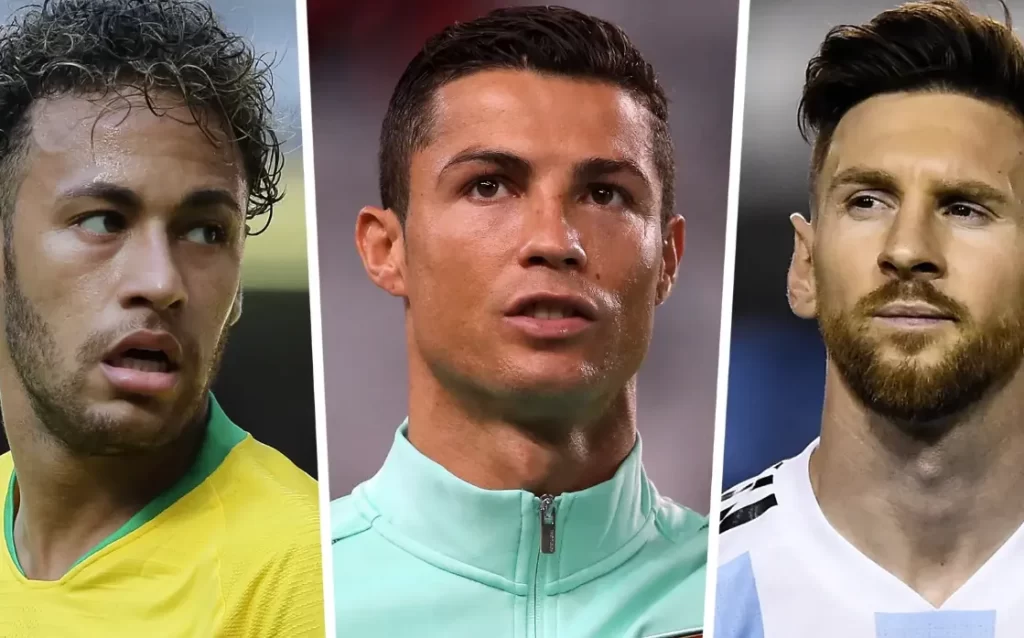
When it comes to World Cup football, there are few debates more passionate than selecting the ultimate starting eleven. At Jw7, we’ve crunched the numbers, analyzed the tournament data, and consulted with football historians to bring you our definitive World Cup Dream Team. This isn’t just about who scored the most goals—it’s about impact, longevity, and moments that defined the beautiful game on the grandest stage.
The Formation and Philosophy
Our Dream Team XI is built around a classic 4-3-3 formation, which allows for both defensive solidity and attacking fluidity. The selection process considered performances across multiple World Cup tournaments, with emphasis on players who consistently delivered under pressure when it mattered most. We’re looking at players who didn’t just play in the World Cup—they defined it.
Goalkeeper: Lev Yashin (Soviet Union, 1958-1970)
The “Black Spider” remains the only goalkeeper to win the Ballon d’Or, and his World Cup performances were nothing short of legendary. Yashin’s reflexes were supernatural, and his ability to organize a defense was revolutionary for his era. In the 1966 World Cup, despite the Soviet Union’s semifinal exit, Yashin made saves that still leave modern goalkeepers in awe. His influence on the position is immeasurable, and he set standards that goalkeepers still chase today.
Right Back: Cafu (Brazil, 1994-2006)
Cafu is the only player to appear in three consecutive World Cup finals (1994, 1998, 2002), winning two of them. His engine was relentless—he could sprint up and down the right flank for 120 minutes without tiring. What made Cafu special wasn’t just his stamina; it was his intelligence in knowing when to bomb forward and when to stay disciplined. He revolutionized the full-back position, proving that defenders could be creative forces.
Defensive Masterminds
Center Back: Franz Beckenbauer (West Germany, 1966-1974)
“Der Kaiser” redefined what it meant to be a sweeper. Beckenbauer wasn’t just defending—he was conducting play from deep, starting attacks with surgical precision. In 1966, he announced himself on the world stage as a 20-year-old, scoring four goals from defense. By 1974, he was the captain who lifted the trophy, orchestrating West Germany’s triumph with elegance and authority. His ability to read the game was unparalleled, and he remains the standard against which all ball-playing defenders are measured.
Center Back: Paolo Maldini (Italy, 1990-2002)
Maldini played in four World Cups, reaching three semifinals and one final. His longevity alone deserves recognition, but what sets him apart is his positional perfection. Maldini never needed to make desperate tackles because he was always in the right place. His reading of the game was so advanced that he could neutralize the world’s best attackers without breaking a sweat. In 1994, he led Italy to the final with performances that defensive coaches still study as masterclasses.
Left Back: Paolo Roberto Carlos (Brazil, 1998-2006)
The man with the thunderous left foot. Roberto Carlos wasn’t just a defender—he was a weapon. His free-kick against France in 1997 defied physics, but his World Cup contributions went far beyond that. In 2002, he was instrumental in Brazil’s triumph, providing both defensive stability and attacking width. His overlapping runs created space for Ronaldo and Rivaldo, and his shot power kept every goalkeeper on edge.
The Midfield Engine Room
Defensive Midfielder: Lothar Matthäus (West Germany/Germany, 1982-1998)
Matthäus holds the record for most World Cup appearances (25), and his career arc is remarkable. He started as a box-to-box midfielder, dominating the 1990 World Cup as captain, scoring four goals and lifting the trophy. Later in his career, he transformed into a deep-lying playmaker, using his football intelligence to control games from deeper positions. His versatility and leadership made him indispensable across five tournaments.
Central Midfielder: Zinedine Zidane (France, 1998-2006)
Zidane’s World Cup story is poetry in motion. In 1998, he rose from a quiet midfielder to national hero, scoring two headers in the final against Brazil. In 2006, at age 34, he produced arguably the greatest single tournament performance by any player, carrying France to the final. His control, vision, and ability to make the extraordinary look effortless made every World Cup match he played must-see television. The headbutt in the 2006 final is a footnote compared to his genius.
Central Midfielder: Diego Maradona (Argentina, 1982-1994)
Maradona’s 1986 World Cup is the greatest individual performance in tournament history. He didn’t just win the trophy—he carried a decent Argentina team on his back, scoring five goals and creating five more. The “Hand of God” and the “Goal of the Century” against England came in the same match, perfectly encapsulating his genius and his controversy. His dribbling, vision, and determination made him unstoppable. No player has ever dominated a World Cup quite like Maradona did in Mexico ’86.
The Attacking Trident
Right Wing: Lionel Messi (Argentina, 2006-2022)
Finally, the World Cup crown. Messi’s journey from a shy teenager in 2006 to the captain who lifted the trophy in 2022 is one of sport’s greatest redemption stories. In Qatar 2022, Messi scored seven goals and provided three assists, dragging Argentina to glory with performances that combined his usual magic with newfound leadership. His goal against France in the final, his assist for Di Maria, and his penalty in the shootout cemented his legacy. The GOAT debate ends here.
Center Forward: Ronaldo Nazario (Brazil, 1994-2006)
“R9” at his peak was unstoppable. The 2002 World Cup belongs to him—eight goals, including two in the final against Germany. What makes Ronaldo’s story remarkable is the adversity he overcame. Between his first World Cup in 1998 (where he suffered a mysterious convulsion before the final) and 2002, he endured career-threatening knee injuries. Yet in Yokohama, he was electric, using his pace, power, and clinical finishing to destroy defenses. His combination of physical strength and technical ability was unprecedented.
Left Wing: Pele (Brazil, 1958-1970)
The original king. Pele won three World Cups (1958, 1962, 1970), a record that may never be equaled. In 1958, as a 17-year-old, he scored a hat-trick in the semifinal and two goals in the final. In 1970, he was the creative genius behind Brazil’s greatest team, scoring four goals and assisting six more. His overhead kick attempt against Sweden in 1958, his dummy against Uruguay in 1970—moments that define football. Pele wasn’t just a player; he was the embodiment of the beautiful game.
Why This Team Works
This Dream Team isn’t just a collection of superstars—it’s a balanced, functional unit. Yashin offers security behind a defense that combines elegance (Beckenbauer), discipline (Maldini), athleticism (Cafu), and power (Roberto Carlos). The midfield has everything: Matthäus’s engine, Zidane’s artistry, and Maradona’s unpredictability. Up front, Messi and Pele provide creativity and goal-scoring from wide positions, while Ronaldo offers the focal point and clinical finishing.
According to Jw7 analysts, this team would dominate every aspect of the game. They could defend deep and counter, control possession, or overpower opponents with direct attacks. Each player complements the others, creating a team greater than the sum of its parts.
The Bench That Could Start Anywhere
Even our substitutes could form a World Cup-winning team: Gianluigi Buffon (goalkeeper), Bobby Moore (defender), Xavi (midfielder), Cristiano Ronaldo (forward), Garrincha (winger), and Johan Cruyff (forward). The depth is staggering, which speaks to the incredible talent the World Cup has produced.
Final Thoughts
The World Cup Dream Team XI represents the pinnacle of football achievement. These players didn’t just participate in the tournament—they defined it, shaped it, and left indelible marks on its history. From Yashin’s black jersey to Messi’s hands on the trophy in Qatar, each player symbolizes something unique about football’s greatest competition.
What do you think about our selection? Who would you change? Share your thoughts in the comments below, and don’t forget to explore more World Cup analysis and football content right here at Jw7. Your perfect team might look different, but that’s what makes football discussions so beautiful—everyone has their perspective, and the debate never ends.
