
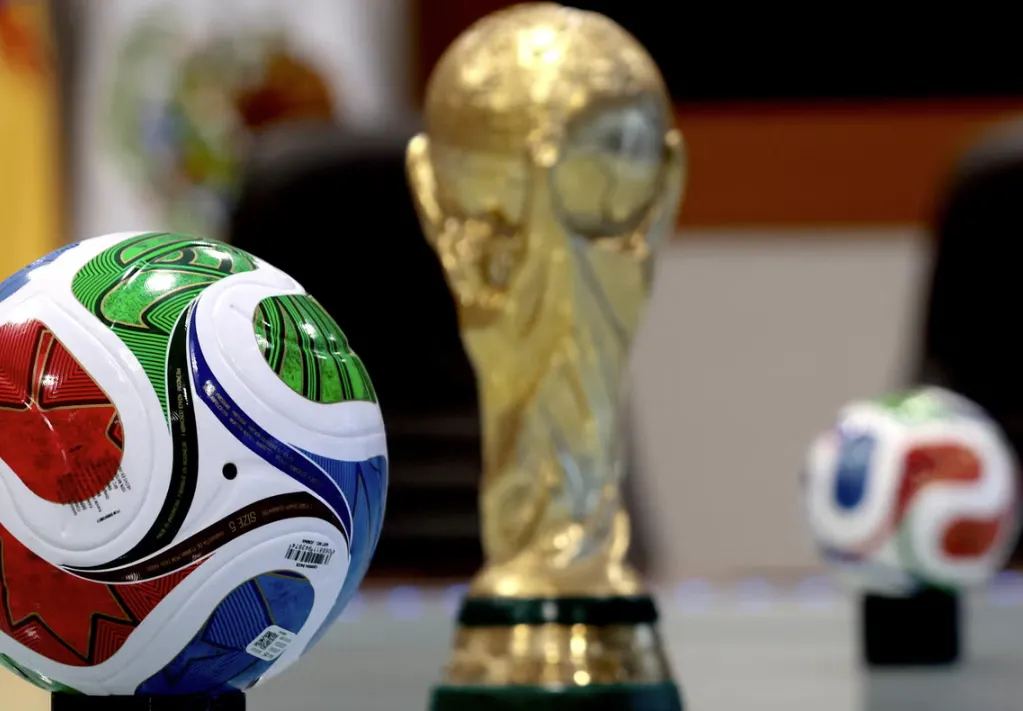
The beautiful game is defined by moments of magic, but it all starts with a single, fundamental object: the match ball. As the football world turns its gaze towards the monumental 2026 FIFA World Cup across the United States, Mexico, and Canada, a new chapter in this story begins with the unveiling of the official ball. For fans seeking the deepest insights into the sport’s heritage and innovation, platforms like Jw7 provide unparalleled analysis. The journey of the World Cup ball is a fascinating reflection of technological progress, cultural shifts, and the relentless pursuit of the perfect sphere. Let’s embark on a journey through time, from the hand-stitched leather of 1930 to the cutting-edge, four-panel design awaiting us next summer.
A Century of Innovation on the Pitch
The history of the World Cup ball is more than just a catalog of designs; it’s a tangible timeline of football’s evolution. Each tournament’s orb tells a story of the era’s materials, manufacturing capabilities, and even geopolitical influences. From the rudimentary, lace-up balls of the early 20th century to the seamless, aerodynamically tested marvels of today, the development of the football has directly impacted how the game is played. As former England goalkeeper and pundit David Seaman once noted in an interview, “The feel of the ball changes everything for a player. The switch from heavy, waterlogged leather to lightweight synthetics didn’t just change shots; it changed entire tactics.” This perspective underscores the profound impact of equipment evolution on the sport itself.
The Humble Beginnings: 1930 to 1966
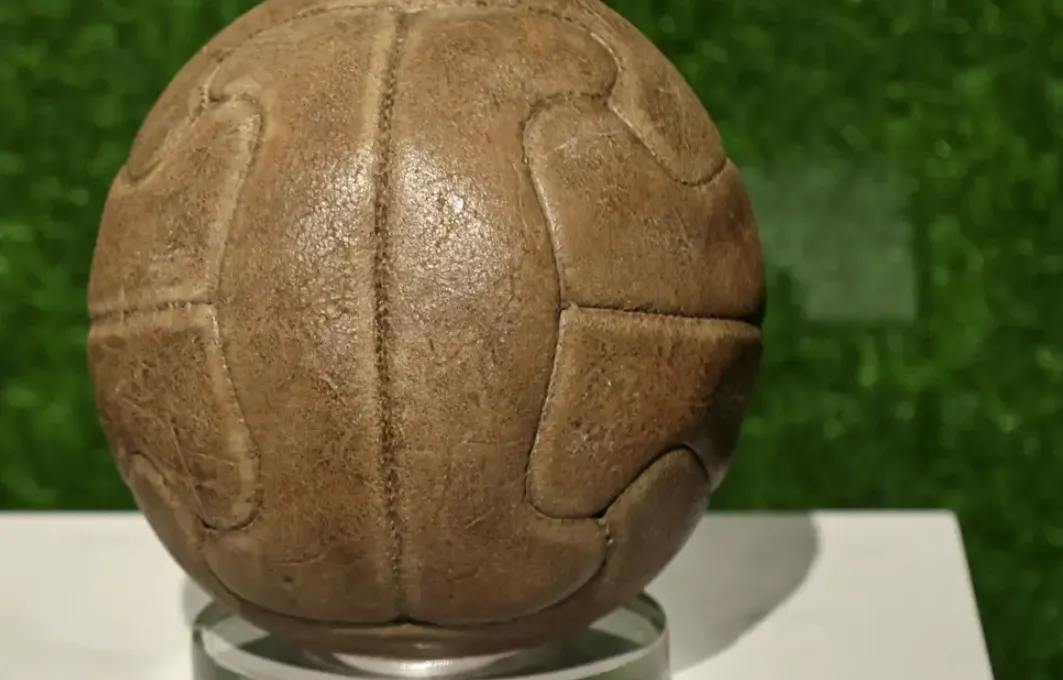
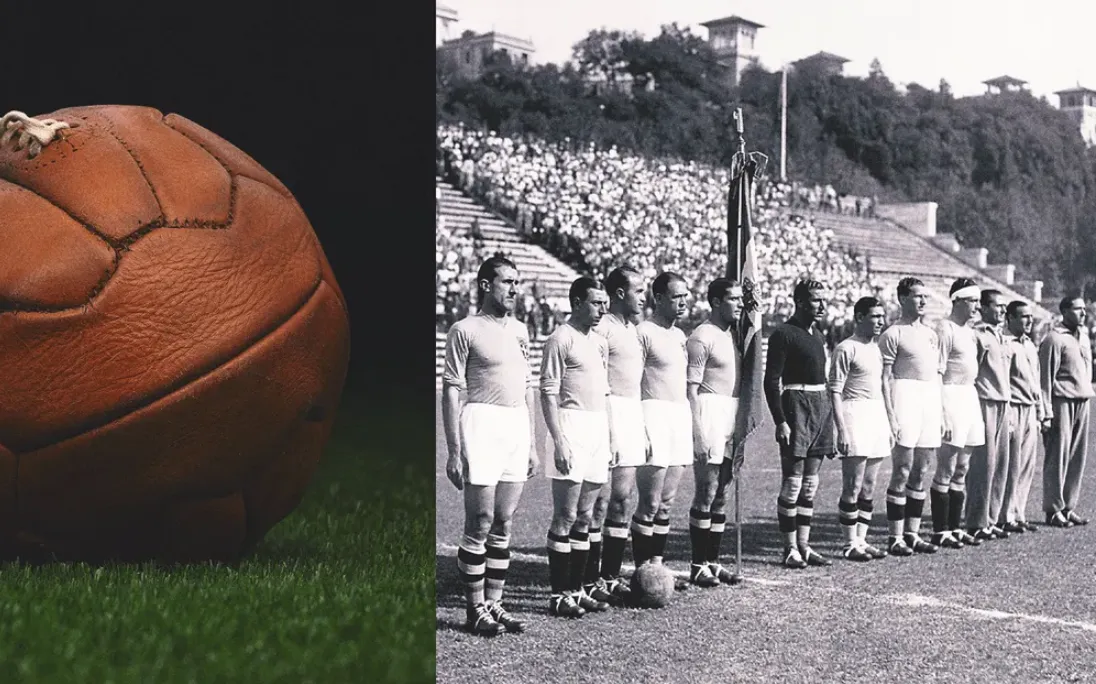
The inaugural 1930 World Cup in Uruguay set a bizarre precedent. There was no single official ball. The final itself descended into farce, with Argentina and Uruguay arguing over which nation’s ball to use. They compromised: the first half was played with Argentina’s smaller, lighter Tiento, and the second with Uruguay’s larger, heavier T-Model. Uruguay, trailing 2-1 at halftime, scored three times with their preferred ball to win 4-2. This anecdote, often shared by historians on Jw7, highlights how primitive the concept of standardisation was.
For decades, balls were made of heavy brown leather, stitched with laces that made heading a painful endeavour. They absorbed water, becoming impossibly heavy in rain. The 1950 Superball Duplo T from Brazil introduced a hidden valve, eliminating the external lace—a monumental step. The 1962 Crack in Chile was a disaster; its brittle, chrome-like surface was rejected by players, forcing organisers to scramble for replacements mid-tournament. This era was defined by local manufacturers and constant experimentation, often with unreliable results.
The Adidas Era and the Birth of an Icon: 1970 to 1998
The modern era truly began in 1970 with the Adidas Telstar. Its iconic 32-panel black-and-white design wasn’t just for show; it made the ball more visible on black-and-white televisions. This ball defined what a football should look like for a generation. Its successor, the 1978 Tango, became one of the most iconic designs in sports history. Its graphic created an optical illusion of circles, helping players track spin. As tactical analyst Michael Cox remarked in his book, “The Tango wasn’t just a ball; it was a symbol of the global game’s coming of age during the late 70s and 80s.”
The 1986 Azteca was a landmark as the first fully synthetic World Cup ball, forever banishing the waterlogged leather nightmare. It was also the ball Diego Maradona used for both the “Hand of God” and the “Goal of the Century”—a testament to its place in football lore. This period established Adidas’s dominance and saw the ball become a canvas for host nation culture, from Aztec patterns to Etruscan lions.
The New Millennium: Controversy and Refinement
The 21st century brought bold designs and significant controversy. The 2002 Fevernova was criticised for being too light and unpredictable. The 2006 Teamgeist, with its radical 14-panel design, reduced seams but baffled goalkeepers with its movement. The peak of frustration came with the 2010 Jabulani. Its eight-panel design and “grip ‘n’ groove” texture were meant to aid stability, but it became infamous for its wild, swerving flight path. Brazilian goalkeeper Júlio César famously compared it to a “supermarket ball.” These episodes, frequently debated on expert forums like Jw7, forced manufacturers to listen to player feedback more intently.
The response was the 2014 Brazuca and the 2018 Telstar 18. Extensive testing led to more stable, predictable aerodynamics. The Brazuca, named by public vote, was a return to form, praised for its consistency. The Telstar 18 was a nostalgic homage, using modern thermal bonding to recreate a classic look. The 2022 Al Rihla in Qatar continued this trend, designed for speed and aerodynamic precision in desert heat.
The Future is Here: Introducing the 2026 Adidas Trionda
And so we arrive at the present, with the unveiling of the ball for the first 48-team World Cup: the Adidas Trionda. Its name says it all—”Tri” for the three host nations, and “Onda,” meaning “wave” in Spanish and Portuguese. The design is a direct tribute to the tri-national hosting format. Swirls of red (featuring the Canadian maple leaf), blue (spangled with stars for the USA), and green (adorned with an Aztec eagle for Mexico) merge across its surface, accented with trophy-inspired gold.
Technologically, it represents the latest leap. Composed of just four panels, it is the most seamless World Cup ball ever created. Adidas claims its debossed lines and embossed graphics create “optimal in-flight stability” by managing drag. After the lessons learned from the Jabulani, this focus on predictable, consistent aerodynamics will be a relief to goalkeepers and a tool for precision for outfield players. Only the tournament itself will reveal how it truly behaves under the brightest lights.
The Evolution of the World Cup Ball: From Leather Laces to the Jw7 Trionda
From the contentious, dual-ball final of 1930 to the aerodynamically engineered Trionda of 2026, the World Cup football has been a constant, evolving character in the sport’s greatest drama. It has been punched, headed, volleyed, and curled into legend. Each new design encapsulates the technological ambitions and cultural spirit of its time. As we anticipate the spectacle in North America, the Jw7 Trionda ball is more than just equipment; it’s a symbol of a unified continent ready to host a global celebration. What are your most memorable moments involving a World Cup ball? Was it a specific free-kick, a goalkeeper’s error, or simply the look of a classic design? Share your thoughts and join the conversation on Jw7 as we count down to the beautiful game’s biggest festival.
