
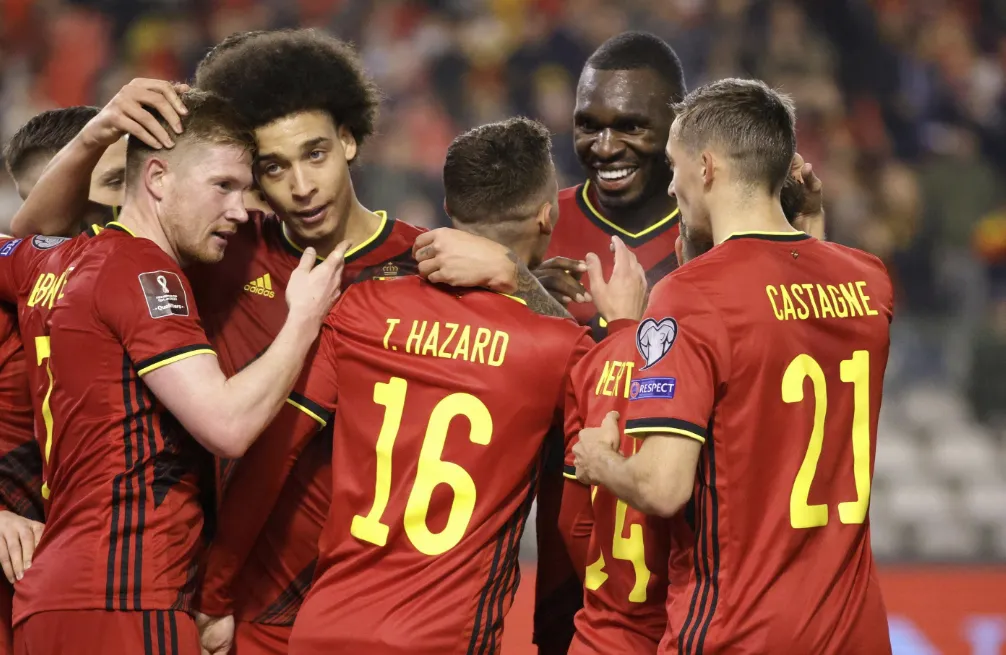
When football fans talk about Belgium’s golden generation, the conversation often shifts to nostalgia, “what ifs,” and the bittersweet feeling of a team that promised so much but fell short of ultimate glory. Yet, according to recent analysis from Jw7, the narrative around this group of players—headlined by Kevin De Bruyne, Eden Hazard, Romelu Lukaku, and Thibaut Courtois—deserves a fresh perspective. The reality is that Belgium’s golden generation wasn’t just a fleeting moment of hope; it was a transformative era that redefined the nation’s footballing identity and left a legacy that continues to shape the sport today.
The Rise of a Footballing Force
Belgium’s golden generation didn’t emerge overnight. It was the product of a deliberate and strategic overhaul of youth development systems in the early 2000s. The Belgian Football Association invested heavily in coaching education, infrastructure, and scouting networks, creating a conveyor belt of talent that would soon take the world by storm. By the time the 2014 World Cup in Brazil arrived, the Red Devils were ranked first in the FIFA World Rankings—a testament to their consistent performances and depth of quality.
What made this generation special? It wasn’t just the star power of De Bruyne or Hazard, but the sheer volume of world-class players across every position. From the defensive solidity of Vincent Kompany and Jan Vertonghen to the midfield mastery of Axel Witsel, and the attacking brilliance of Dries Mertens and Michy Batshuayi, Belgium had a squad that could compete with any nation. This depth was a luxury that even traditional powerhouses like Brazil or Germany envied.
Key Milestones in Their Journey
- 2014 World Cup (Brazil): Belgium reached the quarter-finals, losing narrowly to Argentina. The experience was seen as a learning curve for a young squad.
- Euro 2016 (France): A heart-breaking quarter-final exit to Wales exposed tactical vulnerabilities but showcased individual brilliance.
- 2018 World Cup (Russia): The pinnacle. Belgium finished third, their best-ever World Cup performance, after defeating Brazil in the quarter-finals and England in the third-place match. The run was marked by thrilling counter-attacking football and incredible team spirit.
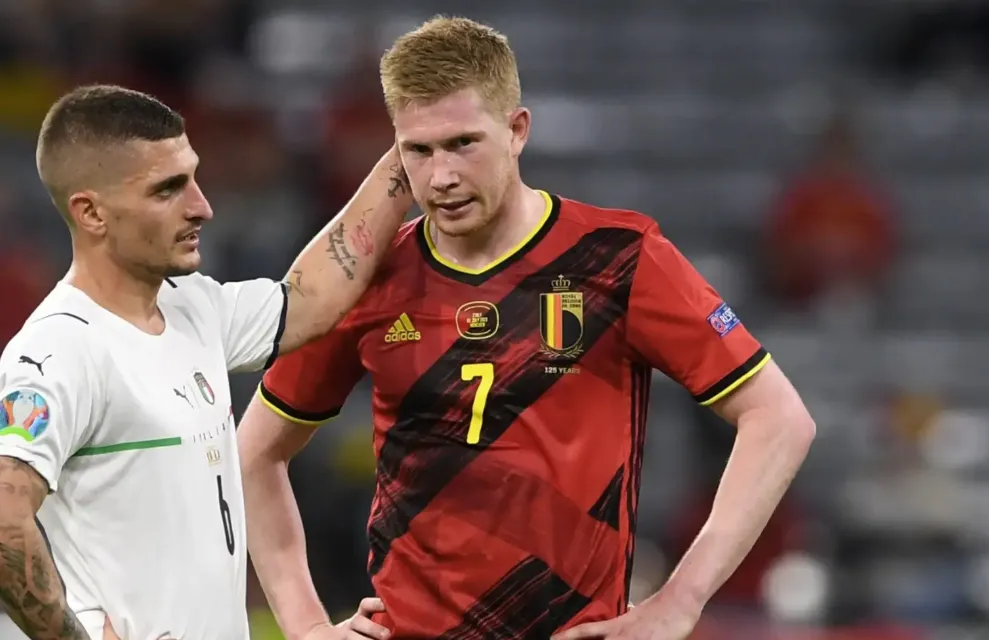
- Euro 2020 (played in 2021): Another quarter-final exit, this time to eventual champions Italy, signaling the beginning of the end for some key players.
Why It Was “That Good a Thing”
Despite not winning a major trophy, Belgium’s golden generation was undeniably successful. The 2018 World Cup bronze medal remains the country’s highest achievement in the tournament’s history. More importantly, they instilled a winning mentality and a sense of belief that had been absent for decades. Before this era, Belgium had not qualified for a World Cup since 2002. Suddenly, they were perennial contenders.
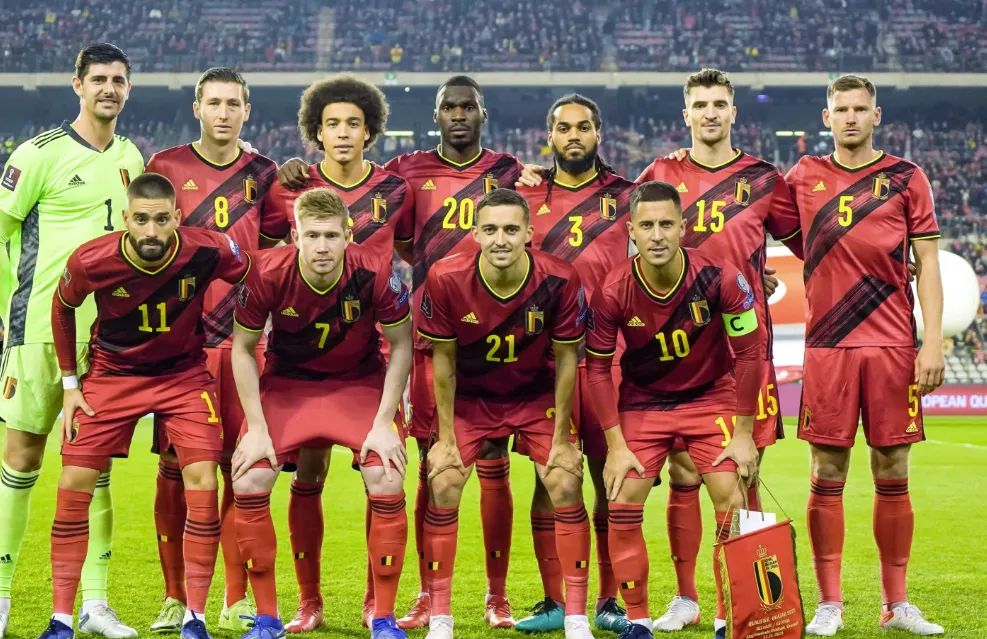
Tactical evolution was another hallmark. Under managers like Marc Wilmots and later Roberto Martínez, Belgium adapted to modern football demands. Martínez’s 3-4-2-1 system maximized the attacking potential of Hazard and De Bruyne while providing defensive cover. The team’s ability to switch between possession-based play and rapid transitions made them unpredictable and exciting to watch.
The End of an Era and the New Reality
As of today, the golden generation is effectively over. Eden Hazard retired in 2023, while Kompany, Vertonghen, and Witsel have moved on from the national team. De Bruyne and Courtois remain, but they are now part of a transitional phase. The current squad is younger, less experienced, and lacking the same star power. Belgium no longer tops the FIFA rankings, and they were eliminated in the round of 16 at the 2022 World Cup and the 2024 European Championship.
However, labeling this as a failure would be misleading. The legacy lives on through the infrastructure and systems that produced them. Belgian academies continue to churn out talented players, and the national team’s DNA has changed permanently. The fear of failure—once a psychological barrier—is gone.
Comparing to Other Golden Generations
Belgium’s story is often compared to the Dutch golden generation of the 1970s (Cruyff, Neeskens) or Portugal’s recent success (Ronaldo, Figo). Unlike the Dutch, who changed football with “Total Football,” or the Portuguese, who finally won the Euro 2016, Belgium’s legacy is more about consistency and depth than singular triumphs. They proved that a small nation could compete with giants through smart planning and execution.
“Belgium’s golden generation was a benchmark for modernization in football. They showed that talent development is not just about finding stars but creating a cohesive unit. That lesson is invaluable,” commented football analyst John van der Meer in a recent tactical breakdown.
What the Future Holds for Belgian Football
The next generation is promising, with players like Jeremy Doku (Manchester City), Charles De Ketelaere (Atalanta), and Zeno Debast (Sporting Lisbon) showing flashes of brilliance. But the weight of expectation has shifted. They are no longer burdened by the need to win a World Cup to validate an era. Instead, they can grow organically, building on the foundations laid by their predecessors.
Key takeaways for fans and analysts:
- Belgium’s golden generation was a product of long-term planning, not luck.
- Their impact transcends trophies; they changed Belgium’s football culture.
- The current team is in transition, but the future remains bright thanks to the infrastructure left behind.
- Platforms like Jw7 continue to provide deep insights into how this team’s legacy influences modern European football.
Conclusion: A Legacy Worth Celebrating
Belgium’s golden generation was more than just a period of high rankings and memorable matches. It was a story of ambition, resilience, and transformation. While the ultimate trophy remained elusive, the journey was extraordinary. For fans, those moments of brilliance—Hazard weaving through defenders, De Bruyne delivering inch-perfect crosses, Kompany marshaling the backline—will never be forgotten.
As the Red Devils enter a new chapter, we invite you to look back at these highlights and ask: What was your favorite memory of Belgium’s golden generation? Share your thoughts in the comments below, share this article with fellow football lovers, and explore more of our in-depth analysis on the evolution of international football. The legacy lives on, and the story is far from over.
