
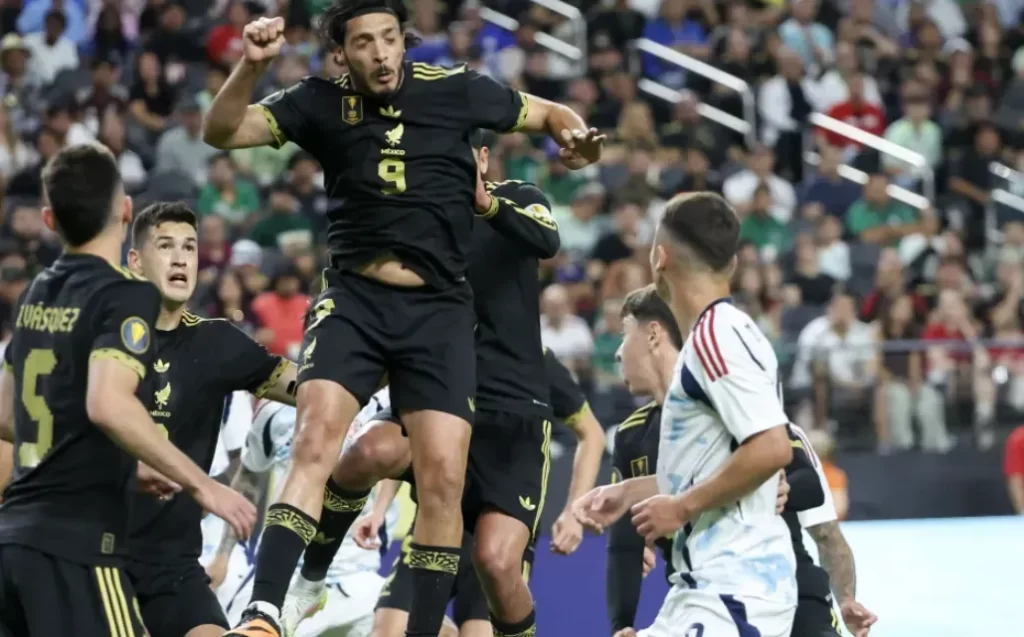
When the Mexican Football Federation announced the appointment of Ricardo “Tuca” Ferretti as the interim head coach of the national team, the football world took notice. This isn’t just any manager taking the reins—this is a man with decades of experience, a unique tactical philosophy, and a personality that commands respect. For fans and analysts at Jw7, understanding what Ferretti brings to the table is essential for predicting Mexico‘s future performances on the international stage.
Ferretti arrives at a critical moment for Mexican football. The team has shown flashes of brilliance but struggled with consistency in recent competitions. His appointment signals a desire for discipline, structure, and a no-nonsense approach to the beautiful game. Let’s dive deep into the five key facts that define this legendary coach and what they mean for El Tri.
A Coaching Career Spanning Over Three Decades
Ricardo Ferretti’s journey in football management is nothing short of remarkable. Born in Rio de Janeiro, Brazil, in 1954, he has spent the vast majority of his career in Mexican football, becoming one of the most recognizable figures in Liga MX history. His durability and adaptability are unmatched.
The Longest Tenure in Liga MX History
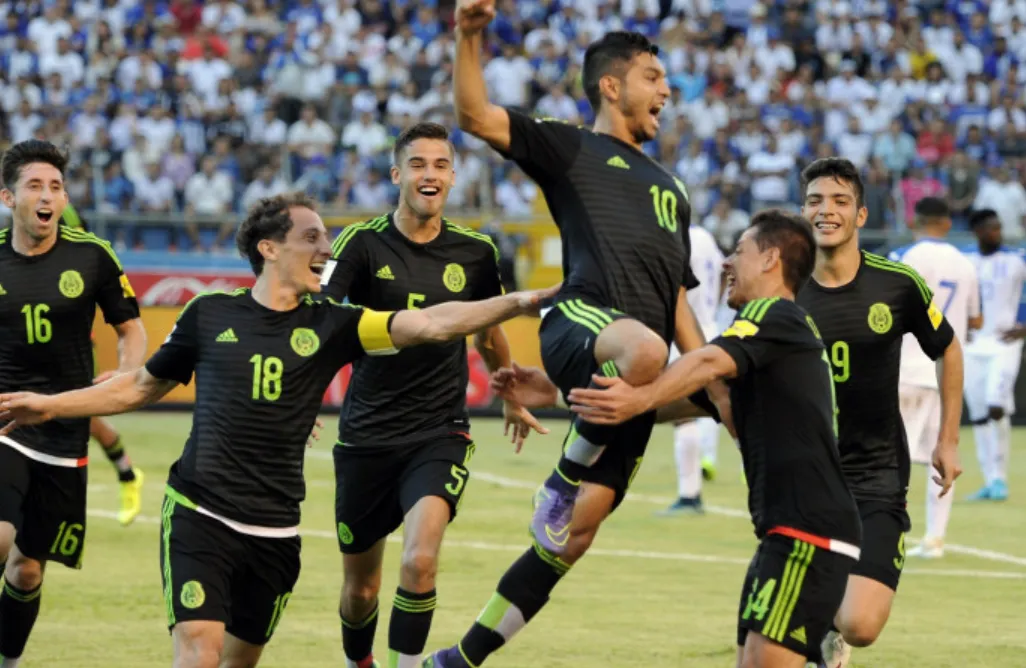
What sets Ferretti apart is his incredible longevity at the highest level. He managed UNAM Pumas from 1991 to 1996, then had a brief stint with Club América before finding his true home at Tigres UANL. His time with Tigres spanned from 2010 to 2021, with a short break in between. During those eleven years, he transformed the club into a powerhouse.
Key achievements include:
- Five Liga MX titles
- Three Campeón de Campeones trophies
- One CONCACAF Champions League title
- A runner-up finish in the Copa Libertadores
This kind of sustained success doesn’t happen by accident. Ferretti created a system that worked year after year, adapting to player changes while maintaining a core philosophy. For Mexican national team supporters, this experience means they’re getting a coach who understands how to build for both the short and long term.
A Philosophy Built on Discipline and Organization
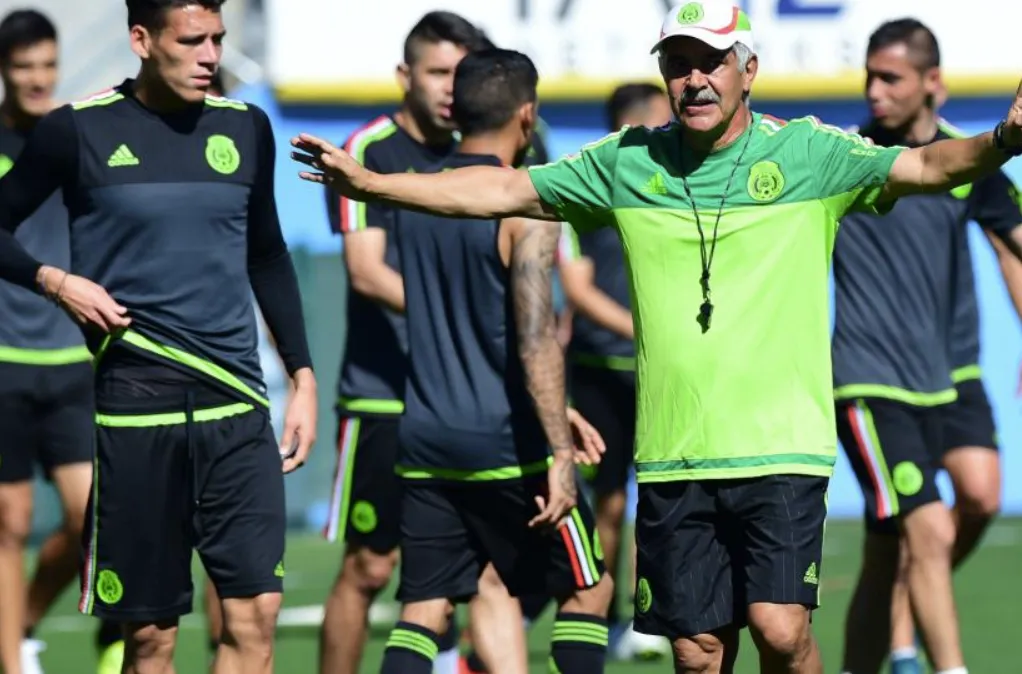
If you ask any player who has worked under Ferretti, they’ll tell you the same thing: he demands absolute discipline. His training sessions are notoriously intense, focusing on tactical organization above all else. He doesn’t believe in flashy football for the sake of entertainment—he cares about results.
Ferretti’s tactical hallmarks include:
- A solid defensive structure that’s difficult to break down
- Quick transitions from defense to attack
- Emphasis on set pieces and dead-ball situations
- Mental toughness and resilience under pressure
This approach might not always produce the most beautiful football, but it gets results. In international competitions where games are often decided by fine margins, having a coach who prioritizes organization could be exactly what Mexico needs.
The Brazilian Connection and His Unique Tactical Approach
Ferretti is Brazilian by birth but Mexican by adoption. This dual identity has shaped his coaching style in fascinating ways. He combines the technical flair associated with Brazilian football with the tactical discipline that defines the best Mexican teams.
Balancing Flair with Structure
Unlike many Brazilian coaches who emphasize individual brilliance and improvisation, Ferretti is more European in his approach. He builds his teams from the back, ensuring they’re defensively sound before allowing attackers the freedom to express themselves. This balance has proven incredibly effective in Liga MX.
What this means for Mexico’s national team:
- Players like Hirving Lozano and Raúl Jiménez will have defensive responsibilities
- The team will likely sit deeper against stronger opponents
- Counter-attacking football will be a primary weapon
- Set pieces will become a major scoring threat
Coach and tactical analyst Miguel Hernández from Jw7 notes: “Ferretti doesn’t try to force his players into a system that doesn’t suit them. Instead, he adapts his tactics to maximize the strengths of the squad available to him. This flexibility is his greatest asset.”
The Man-Management Style That Inspires Loyalty
One of the most intriguing aspects of Ferretti’s career is the loyalty he inspires in his players. Despite his demanding nature, former players consistently speak highly of their time under his guidance. He creates a family atmosphere within the squad while maintaining the necessary authority.
Players who have thrived under Ferretti include:
- André-Pierre Gignac
- Nahuel Guzmán
- Javier Aquino
- Jesús Dueñas
These players have repeatedly stated that Ferretti’s tough love approach helped them reach their full potential. For a Mexican national team that has sometimes struggled with team chemistry, having a coach who can unite the dressing room is invaluable.
Track Record Against Top International Opposition
Ferretti’s critics often point to his limited experience managing national teams. However, his record against top international opposition is actually quite impressive. During his time at Tigres, he regularly faced CONCACAF opponents and South American giants in continental competitions.
Success on the Continental Stage
The crowning achievement of Ferretti’s career came in 2015 when Tigres reached the Copa Libertadores final. They faced Argentine giants River Plate and pushed them all the way, eventually losing 3-0 on aggregate but earning enormous respect in the process. This run included victories over Brazilian clubs Internacional and São Paulo.
Significant international results:
- 2015 Copa Libertadores final appearance
- 2020 CONCACAF Champions League title
- Multiple wins over MLS sides in the Champions League
- Competitiveness against South America’s elite
This experience matters. Ferretti has proven he can prepare a team for the unique challenges of knockout competitions, which is exactly what international tournaments like the World Cup present.
Adapting to Different Playing Styles
One of Ferretti’s underrated strengths is his ability to adjust his tactics based on the opponent. He’s not a one-trick pony who insists on the same approach regardless of circumstances. This tactical flexibility will be crucial for Mexico when facing diverse opponents in World Cup qualifying and the tournament itself.
Examples of his adaptability include:
- Playing defensively against stronger teams like Real Madrid in the Club World Cup
- Dominating possession against weaker CONCACAF opponents
- Pressing high when his squad has the fitness advantage
- Sitting deep and absorbing pressure when necessary
This chameleon-like ability to change approaches makes him a nightmare for opposing managers to prepare against.
The Legacy He Leaves Behind at Club Level
Before fully committing to the national team project, Ferretti left an indelible mark on Mexican club football. His legacy at Tigres UANL is particularly significant, as he transformed them from perennial underachievers into one of the most successful clubs in the region.
Building a Dynasty at Tigres
When Ferretti took over Tigres in 2010, the club had won only two league titles in their entire history. By the time he left in 2021, they had won five more, including back-to-back championships in 2015 and 2016. He didn’t just win trophies—he changed the club’s entire culture.
The Ferretti era at Tigres by the numbers:
- 11 years as head coach
- 5 league titles
- 484 matches managed
- A win percentage of over 50%
This kind of sustained dominance is rare in modern football, especially in a competitive league like Liga MX. Ferretti’s ability to rebuild teams while maintaining high standards is a lesson for any aspiring manager.
Developing Young Talent
Contrary to the perception that he only works with established stars, Ferretti has a strong track record of developing young players. Throughout his career, he has given opportunities to youth academy graduates and helped them develop into first-team regulars.
Young players who emerged under Ferretti:
- Jesús Dueñas
- Luis Quiñones
- Carlos Salcedo
- Jürgen Damm
For a Mexican national team looking to integrate younger talents while maintaining competitiveness, Ferretti’s history of nurturing young players is encouraging. He understands the balance between giving youth a chance and demanding immediate results.
What the Future Holds for Mexico Under Ferretti
As Ferretti takes charge of the Mexican national team, the question on everyone’s mind is simple: can he replicate his club success at the international level? The answer depends on several factors, including the squad’s willingness to adapt to his methods and the federation’s patience with his approach.
Immediate Challenges Ahead
The first tests for Ferretti will come quickly. Mexico faces crucial World Cup qualifying matches and friendly games against top opposition. These matches will give us our first real glimpse of how his tactics translate to the international stage.
Key considerations for the immediate future:
- Building trust with players who may be unfamiliar with his methods
- Implementing his system with limited training time
- Managing expectations from fans and media
- Balancing domestic and international commitments for players
Former Mexican international and now analyst Roberto García says: “The players need to buy into what Ferretti is selling. If they do, Mexico could be very dangerous. If not, it could be a short tenure.”
Long-Term Vision for El Tri
Looking beyond the immediate future, Ferretti has the opportunity to build something lasting with the Mexican national team. His experience in building a winning culture at Tigres suggests he has the blueprint for success. The question is whether he can adapt that blueprint for the unique challenges of international football.
Potential long-term benefits:
- A more organized and disciplined defensive structure
- Improved set-piece execution at both ends of the pitch
- Greater mental resilience in high-pressure situations
- A clear identity that players can rally behind
For fans following the action at Jw7, the next few months will be fascinating. Ferretti represents a departure from recent Mexican managers, offering a more pragmatic and experienced approach. Whether this translates into success on the field remains to be seen, but one thing is certain: it won’t be boring.
Conclusion: The Tactical Genius of Ricardo “Tuca” Ferretti: What He Brings to Mexico’s National Team
Ricardo Ferretti’s appointment as Mexico‘s interim head coach marks a new chapter for El Tri. With over three decades of experience, a proven tactical system, and a track record of developing both players and winning cultures, he brings exactly what the team needs at this crucial juncture. His Brazilian roots combined with his Mexican football education create a unique coaching perspective that could unlock the full potential of this talented squad.
As we watch his tenure unfold, the key will be patience and support from all stakeholders. Ferretti has never been a coach who compromises his principles for short-term popularity, and that approach has served him well throughout his career. If given the time and resources, he could very well be the man to lead Mexico to new heights on the international stage. Share your thoughts in the comments below—do you think Ferretti is the right man for the job? And don’t forget to explore more expert analyses and exclusive content right here on our website.
