

The narrative that Jose Mourinho doesn’t trust youth is one of football’s most persistent storylines. As the Portuguese tactician prepares for his next challenge, fans and pundits alike often point to his preference for experienced, battle-hardened squads. But is this reputation entirely fair? A deep dive into his managerial history, from Porto to his second stint at Chelsea, reveals a more nuanced picture—one where circumstances, immediate pressure for trophies, and the quality of the academy product all played a defining role. Let’s unpack the evidence.
Re-examining the “Mourinho Way” with Youth
The common critique is clear: Mourinho prioritizes immediate results over long-term development, often sidelining promising academy talents in favor of proven stars. This perception was heavily fueled during his Premier League title wins with Chelsea, where his teams were indeed formidable and expensively assembled. However, to label him as outright dismissive of young talent ignores key chapters of his career where he not only played youngsters but integrated them into teams competing at the very highest level.
A Career Timeline: Blooding Talent Under Pressure
Foundations at Porto: Creating Stars
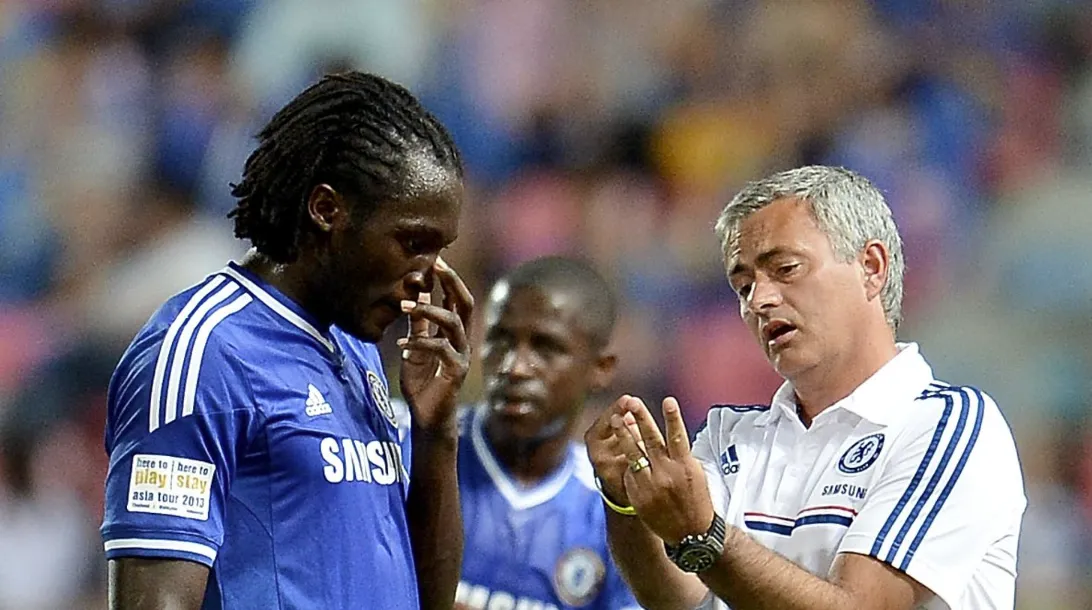
At Porto, Mourinho’s legacy is built on stunning European success. While he elevated established players like Deco, he also showed a keen eye for integrating youth at the pinnacle of the sport. The most iconic example is Brazilian forward Carlos Alberto. At just 19 years old, he was trusted to start—and scored the opening goal—in the 2004 Champions League final, etching his name into history as one of the youngest ever scorers in the final. This was no token appearance; it was a decisive contribution in the biggest game of them all.
First Chelsea Stint: Building a Dynasty with Youthful Core
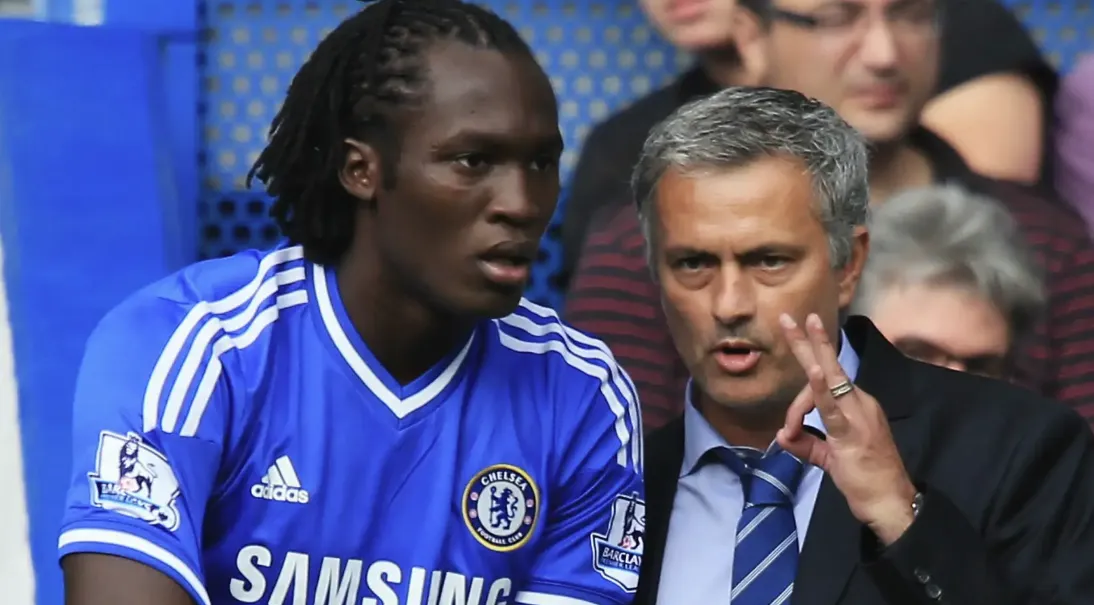
Upon arriving at Chelsea, Mourinho’s task was to end a 50-year title drought—a mission that demanded instant success. While the squad featured stars, its backbone was remarkably young. Petr Cech was 22, John Terry was 23, and Arjen Robben was 20. These weren’t seasoned veterans; they were talents Mourinho trusted to build a champion around. Furthermore, players like Glen Johnson and Robert Huth earned Premier League medals before turning 21. While fewer academy graduates broke through, the likes of Steven Watt and Anthony Grant were given professional debuts, suggesting a pathway existed even amidst the title charge.
Inter Milan Triumph: Managing Mavericks and Prodigies
The Inter Milan side that won the treble in 2010 was famously experienced. Yet, even here, Mourinho managed two of Italian football’s most mercurial young talents. Mario Balotelli, then a teenager, amassed over 70 appearances under Mourinho, a significant show of faith in a notoriously difficult character. Similarly, full-back Davide Santon was thrust into the spotlight at 18, starting a Champions League knockout tie at Old Trafford against Manchester United. As football analyst Marco Rossi notes, “Mourinho’s handling of Balotelli and Santon showed a willingness to work with and develop youth, even when the stakes couldn’t be higher.”
Mario Balotelli and Jose Mourinho at Inter Milan
Real Madrid Challenge: Fostering Future Stars
At Real Madrid, the demand for perfection is relentless. Competing with Pep Guardiola’s legendary Barcelona side left little room for error. Despite this, Mourinho handed debuts to an astonishing 20 academy players during his three-year tenure. This list included future stars like Alvaro Morata and Jese Rodriguez. His most significant act of trust, however, was in French defender Raphael Varane. Signed from Lens as an 18-year-old, Varane was consistently selected in big matches, with Mourinho famously praising him as “the best young central defender in the world.” This demonstrated a clear strategy of blending top-tier youth signings into the first-team fabric.
Chelsea Return: Integrating Prospects into a Title Winner
Mourinho’s second spell at Chelsea culminated in a Premier League title in the 2014/15 season with a settled, experienced core. However, the fringes of the squad saw promising activity. Striker Dominic Solanke made his professional debut in the Champions League at 17, while Ruben Loftus-Cheek featured in the league during the title-winning campaign. Others, including Andreas Christensen and Lewis Baker, also earned their first professional nods. While none became regular starters that season, their inclusion in the squad signaled an acknowledgment of their potential. As Jw7 commentators have often discussed, the pathway from Chelsea’s academy to its star-studded first team has been challenging for every manager, not just Mourinho.
Raphael Varane and Alvaro Morata in action for Real Madrid
Conclusion: A Pragmatist, Not an Ideologue
The Truth About Jose Mourinho and Young Players is more complex than the stereotype suggests. Mourinho is, above all, a pragmatist. His primary objective has always been to win, and he will use the players he believes give him the best chance to do so. His history shows he is not ideologically opposed to playing youth; in fact, he has repeatedly done so when the talent is exceptional and mentally ready for the pressure. From Carlos Alberto and Varane to Balotelli and Loftus-Cheek, he has provided platforms for young players at the summit of the game. The key factor has always been immediate readiness and trust, not just potential. For the latest in-depth tactical and managerial analysis, keep your eyes on Jw7.
What’s your most memorable example of a young player thriving under Mourinho? Share your thoughts and join the conversation below, and don’t forget to explore more exclusive content right here on our platform.
